Screenless Productivity: How More Tech Can Make Offices More Human
Tired of screen fatigue? Discover how smart automation reduces software interactions, frees human creativity, and makes workplaces more human-focused. The North Solution shows the way.
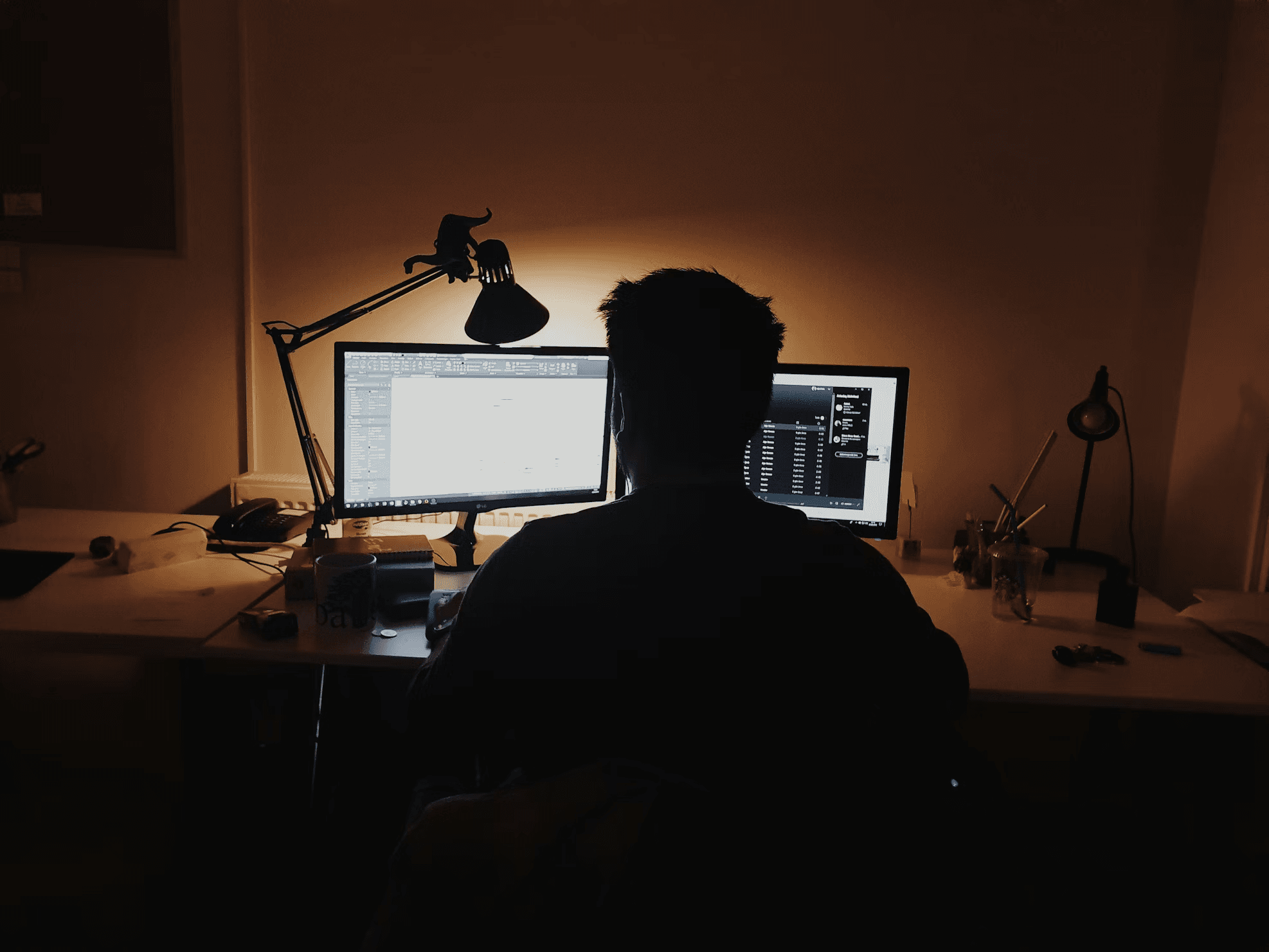
In an age dominated by constant connectivity and digital tools, the irony is that many employees feel less human than ever. The promise of technology was to simplify work, but instead, knowledge workers spend a significant part of their day wrestling with software, juggling endless apps, notifications, data entry, and fragmented workflows. This relentless screen time fragments attention, drains creativity, and breeds digital fatigue.
But what if automation could change the story? What if we built systems that allowed humans to spend less time “touching software” and more time engaging deeply, with each other, with clients, and with the creative work that only people can do?
The Paradox: More Connected, Less Present
Today’s workplaces are hyper-digitalized, with every process seemingly “on screen.” For many, work means switching between emails, messages, apps, dashboards, and databases multiple times per hour. Studies highlight how this constant context switching leads to cognitive overload, role overload, and burnout. Paradoxically, being more connected doesn’t mean being more present. Many feel “always on” but mentally fatigued, isolated, and frustrated by the endless digital noise.
The relentless screen-time parasites creativity and clarity. Yet, humans are finite resources. Replicable tech can multiply, but human attention and creative capacity cannot. When our mental energy is sapped by juggling fragmented systems, our ability to innovate, empathize, or lead erodes.
The Vision: Screenless Productivity for Human-Centered Work
Imagine a different approach. One where automation orchestrates data flows, routing, and repetitive tasks in the background. Where humans only “touch” software when it truly adds value. Making decisions, mentoring teammates, connecting with customers, or creating new solutions.
This is the concept of screenless productivity: minimizing the manual interactions and screen time needed to complete workflows. The best user experience in many roles might not be a flashy interface but no interface at all.
By reducing “swivel-chair” work, copying and pasting, hunting for data, manual status reporting, automation frees up mental bandwidth. People regain the freedom to think deeply, be creative, and spend more time physically present. Whether at a client site, in a product workshop, or simply engaging in meaningful face-to-face dialogue.
Why Automation Should Make Offices More Human, Not More Like Apps
The current landscape often mistakes more digital complexity for progress. Increasingly scripted and inflexible software tightly controls how employees must work, reducing autonomy and increasing friction. The result? Employees feel less empowered, less motivated, and more like cogs in an unyielding digital machine.
True value lies in automation that removes friction, not adds it; that offloads rote work, not decisions; that empowers people instead of replacing them.
Automation and integration should free employees from repetitive, low-impact tasks like data entry, manual hand-offs, and redundant approvals. This liberation allows humans to focus on what machines cannot do:
Interpreting ambiguous situations
Building trust and relationships
Generating creative insights
Navigating nuance and emotion
This human-centered approach to automation aligns well with studies showing that meaningful autonomy and control at work reduce burnout and improve wellbeing.
Practical Steps Toward Screenless, Human-Centered Workflows
The North Solution helps companies realize this vision by turning complex workflows into efficient, scalable systems that reduce screen time and increase impact. Here are the core principles and steps we follow:
1. Map the Human Touchpoints
Identify where employees currently spend time on screens and manually move data or update statuses. Ask a simple question: “What parts of your day feel like tool tending?” These are prime candidates for automation.
2. Automate the Routine, Leave Humans the Key Decisions
Apply integration and automation to routing, alerts, data syncing, and document generation so that these tasks happen quietly. Employees interact only when their judgment adds value.
For example, automated approval flows avoid unnecessary meetings or emails, while a smart workflow ensures everyone has the latest data without manual input.
3. Design for Low-Friction UX
Avoid launching more disconnected tools. Instead, invest in integrated platforms with intuitive “Smart Copy” or single-click actions, reducing steps and cognitive load. Bring related data together in unified interfaces.
4. Measure Human Time Returned
Track time saved not only on direct productivity but on time freed from screens, hours returned to collaboration, learning, physical presence, or rest. This becomes a new KPI: human time dividend.
The North Solution Difference: Automation With a Human Impact Mindset
Unlike traditional IT consultancies focusing narrowly on technical deliverables, The North Solution approaches automation projects with a human-centered strategy:
We start by listening to people’s pain points, not just bottlenecks in data flows but where digital friction makes their jobs less fulfilling.
We engineer integrated workflows that reduce the cognitive load and manual screen interaction burden.
We design automation not just to speed up processes, but to increase employees’ creativity, presence, and satisfaction.
We partner to embed these systems sustainably, bridging gaps between IT and real-world human work.
Our promise: To turn your digital complexity into a foundation that gives your people back their time, mental clarity, and the freedom to do what only humans can do.
Conclusion: The Future of Work Is Less Screen, More Human
The most valuable resource in any organization is its people, not its apps. By automating the repetitive tasks that keep employees chained to screens, businesses can unlock screenless productivity. The power of technology to make offices more human, not less.
This shift is not just better for wellbeing; it is a competitive advantage. Clearer minds, more creativity, and more genuine presence lead to better decisions, stronger relationships, and faster innovation.
The North Solution is here to help you embark on that journey: integrating, automating, simplifying, so your teams spend less time managing software, and more time making an impact.